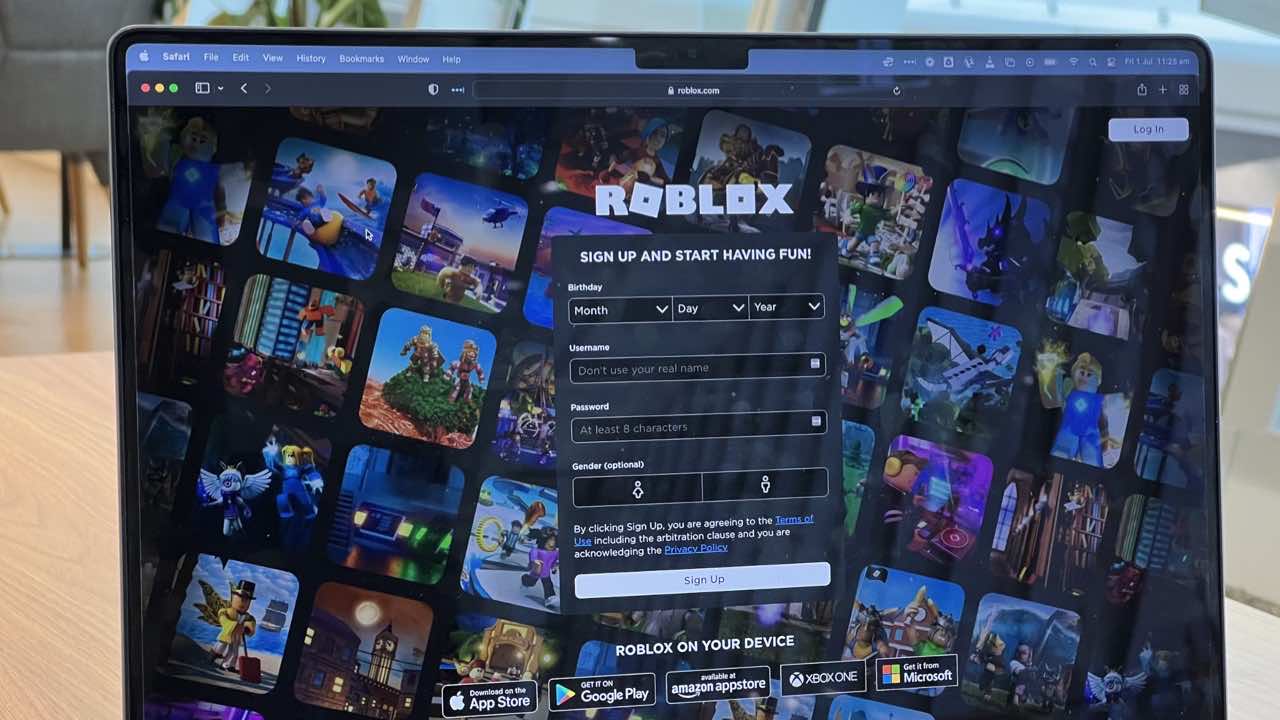
Whether you’re looking for a Roblox alternative because your child is tired of it, or you’ve heard how popular the game is among predators and want to protect your young one from inappropriate interactions, this article will provide you with some good options. The recommendations here go beyond the usual suspects like Minecraft and Fortnite, providing safer and equally engaging alternatives, where your kids can play, create, and explore.
1. Trove
Year of release: 2015
Platforms: Windows, macOS, PlayStation 4, Xbox One, Nintendo Switch
Like Roblox, Trove throws open the doors to a vibrant voxel-based universe, where creativity meets adventure. This free-to-play MMO offers a fun blend of dungeon crawling and world-building, featuring player-created content that keeps the experience fresh and engaging.

What makes Trove particularly appealing as a Roblox alternative is how it structures social interaction. Players collaborate in well-moderated public spaces, rather than private servers, so it’s much easier for parents to monitor their children’s gaming experience.
2. LEGO Worlds
Year of release: 2017
Platforms: Windows, PlayStation 4, Xbox One, Nintendo Switch
LEGO Worlds delivers the quintessential brick-building experience in digital form to offer children the same creative freedom they enjoy with physical LEGO sets – but in an unlimited virtual space. (And, let’s face it, for much less money.) Unlike Roblox’s sometimes unpredictable user-generated content, LEGO Worlds provides a curated experience that parents can trust.

The game employs a structured progression system that guides players through increasingly complex building challenges, rewarding exploration and creativity. With built-in multiplayer features, kids can safely collaborate with friends in split-screen mode or online, but the game can also be played solo.
3. Valheim
Year of release: 2021
Platforms: Windows, Linux, macOS, Xbox One, Xbox Series X/S
For families with teens that have outgrown Roblox’s simplistic graphics but still crave creative multiplayer experiences, Valheim offers a more sophisticated alternative. This Norse mythology-inspired survival game combines building mechanics with cooperative gameplay that requires players to work together to construct settlements and explore a vast, procedurally generated world.

The main reason Valheim is more suitable for older kids (the game is rated Teen for ESRB and 16 for PEGI) is its combat system that features medieval weapons, like swords and bows, with players defending themselves against mythological creatures and bosses. Note that the combat isn’t gratuitously violent, and defeated creatures disappear rather than having their graphic deaths shown.
4. Animal Crossing: New Horizons
Year of release: 2020
Platforms: Nintendo Switch
Creating your own island paradise in Animal Crossing: New Horizons offers the same creative satisfaction as Roblox’s best building games – but in a completely safe environment. The game’s charming aesthetic and intuitive design tools let kids express themselves freely, while interacting with a delightful cast of animal neighbors whose conversations are always age-appropriate.

The biggest problem with Animal Crossing: New Horizons as a Roblox alternative is that the game is Nintendo Switch-exclusive. If you don’t have a Switch in your family, get the Nintendo Switch – Animal Crossing: New Horizons Edition bundle. The discounted price makes it an attractive entry point into Nintendo’s ecosystem.
5. Dragon Quest Builders
Year of release: 2016
Platforms: PlayStation 3, PlayStation 4, PlayStation Vita, Nintendo Switch, Android, iOS, Microsoft Windows
Dragon Quest Builders is a fusion of block-building mechanics and the beloved RPG elements of the Dragon Quest series. Players are tasked with rebuilding a world devastated by the Dragonlord, using blocks to create structures, towns, and defenses.

What young Roblox fans may find appealing, especially if they’ve been playing Roblox exclusively until now, are the numerous narrative-driven quests in Dragon Quest Builders. These quests guide players through their building projects and introduce numerous memorable characters and stories that are quintessentially Dragon Quest – charming, with a touch of humor – and devoid of the potential pitfalls of user-generated content.
6. Slime Rancher
Year of release: 2017
Platforms: Windows, macOS, Linux, Xbox One, PlayStation 4, Nintendo Switch
Slime Rancher is a completely single-player experience, but it’s still a fantastic alternative to Roblox, as it captures the same sense of wonder and discovery. Players collect and care for adorable slime creatures with unique personalities and needs.

The game’s cheerful aesthetic and nonviolent gameplay create a safe space where kids can experiment with raising different slime combinations, building their ranch, and exploring the colorful world at their own pace – all without the pressure of in-game purchases or potentially problematic social interactions.
7. Fishing Planet
Year of release: 2015
Platforms: Windows, PlayStation 4, Xbox One
Fishing Planet offers a more sophisticated and realistic alternative for kids who enjoy Roblox’s fishing games. This free-to-play simulator provides an authentic fishing experience with stunning graphics and physics-based gameplay. The game’s attention to detail, from weather effects to fish behavior, creates an immersive experience that can teach kids about real-world fishing techniques.

While more complex than Roblox’s fishing, the well-designed tutorial system makes it accessible to younger players. The multiplayer aspect is limited to seeing other players fish in the same area, with no direct interaction required, so that the game provides a safer online experience than Roblox, while still maintaining some sense of community.
As entertaining as these alternatives to Roblox are, they’re not the only worthwhile digital activities for young minds. Some kids will discover that they enjoy creating games even more than playing them. For example, learning programming through Scratch could be their first step toward game development, while exploring 3D modeling with SketchUp could spark an interest in digital art and design.
Image credit: Unsplash