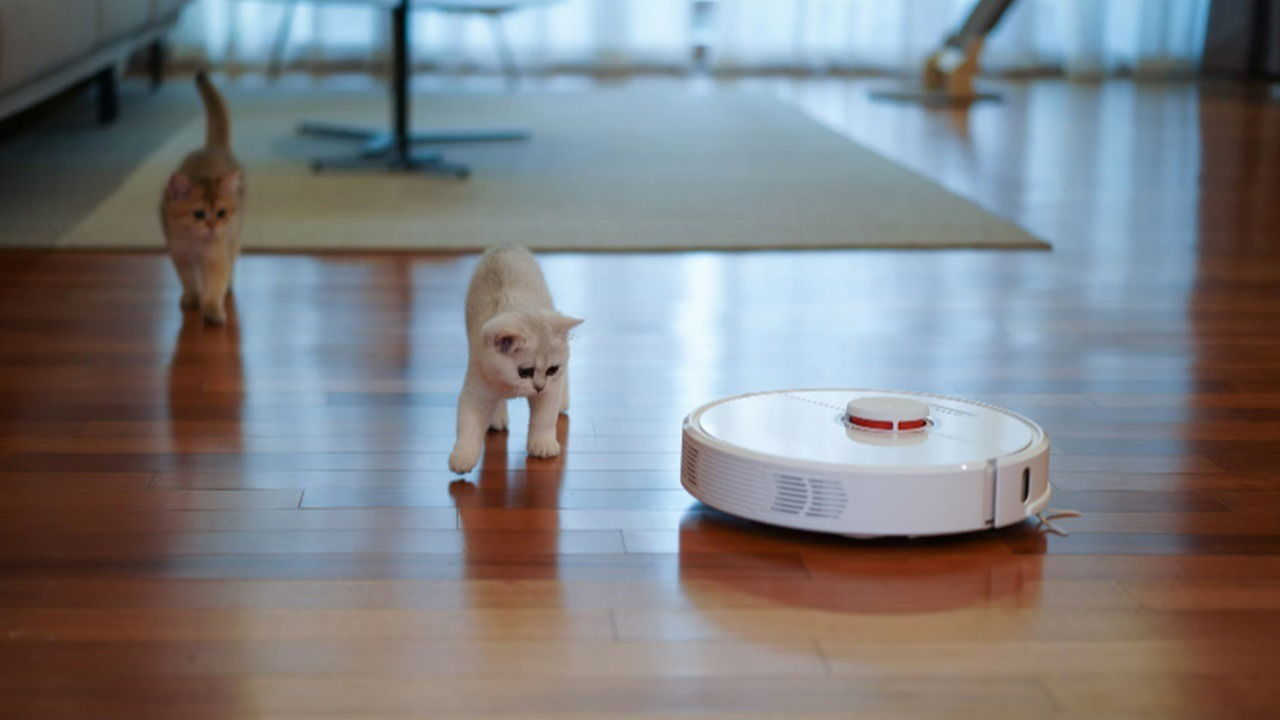
Choosing the best robot vacuums isn’t nearly as easy as it used to be thanks to so many more choices. From auto-emptying to getting up pet hair like a pro, picking the right features is important, and we’re here to help make that choice easier.
Roborock S8 MaxV Ultra
eufy L60
ECOVACS DEEBOT T20 Omni
Kewbily DL30 Pro
Shark AI Ultra
Our Criteria
With numerous options available, choosing the best robot vacuum isn’t always easy. That’s why we looked at several criteria, such as general functions, navigation, self-emptying, and bonus features. Choosing a robot vacuum means carefully looking at which features are best for your home’s needs.
General Functions
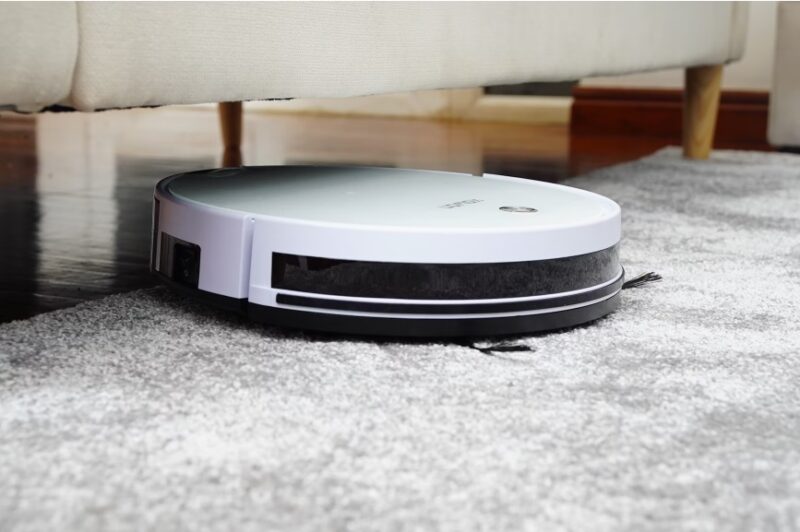
The most important function of the best robot vacuums is how well it gets up dirt. And, if it also mops, you’ll want to know how well it cleans. Stronger suction with multiple levels is ideal. For mopping, look for different water levels and the option to spot clean heavily soiled areas.
Navigation/Mapping
Robot vacuums use various navigation and mapping technologies, though LiDAR is one of the most common. Detailed mapping makes it easier to get an effective clean and helps you create custom cleaning schedules. With navigation, look for vacuums that avoid obstacles, stop at the edges of steps, and choose the most efficient vacuuming paths.
Self-Emptying
While manually emptying a robot vacuum isn’t hard, it’s not exactly as hands-free as you might want. Many vacuums offer self-emptying models, but this may also mean you have to buy dust bags.
Additional Features
Once you’ve looked at some of the basics, consider any additional features you may want. These often include:
- Voice control with smart home integration
- Tangle-free brushes
- In-app custom cleaning, such as zones, no-go areas, scheduling
- Auto-adjust mop to avoid carpets
- On-board camera to check in (not as common of a feature)
1. Best Overall: Roborock S8 MaxV Ultra
Many of the best robot vacuums are courtesy of Roborock, and the S8 MaxV Ultra is a fine example of why they’re so popular. This particular model is a mix of most every feature currently available on robot vacs. It can avoid obstacles, empties itself, and cleans its own mop.
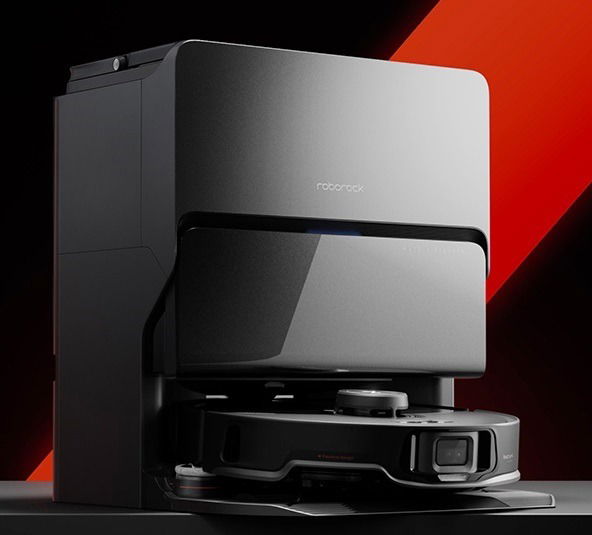
But, that’s not all. It boasts 10,000Pa suction, making it perfect for dirt, dust, and stubborn pet hair. Plus, the VibraRise 3.0 mopping system eliminates stuck on dirt and stains. There’s also voice control and pet check-in features, making it perfect for pet owners.
If you don’t need quite as many features and want to save a $1,000, try the simpler, yet still powerful Roborock Qrevo S.
2. Best Overall Value: eufy L60
If you’re looking for a cheaper option and don’t have room for a large docking station, try the eufy L60. This vacuum-only model features iPath laser navigation for more efficient cleaning. But, if your home has many rugs or different heights of carpets/floors, this is where the eufy L60 shines. It climbs just over 3/4 inch for smooth transitions.
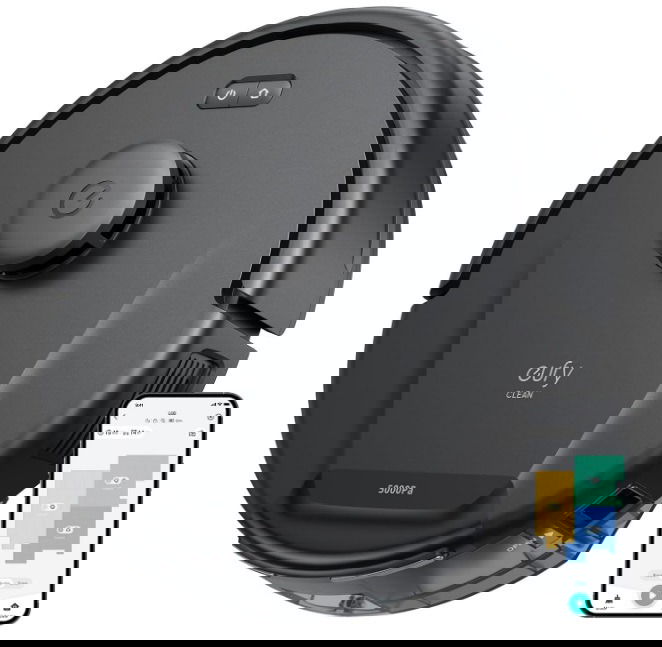
Like most of the best robot vacuums, you’re able to create schedules, maps, zones, etc. However, the BoostIQ technology gives you something a little extra that helps extend battery life. For hardwood floors, use a lower suction setting, and let the vacuum auto-boost the suction when carpets are detected.
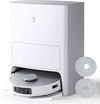
3. Best Vacuum/Mop Combo: ECOVACS DEEBOT T20 Omni
No one really enjoys mopping, but most robot vacuum/mop combos only lighting mop. The ECOVACS DEEBOT T20 Omni not only handles vacuuming, but includes two spinning mop pads to scrub away tougher dirt and grime. With 6,000Pa suction, dirt, pet hair, food crumbs, and more are easily lifted off your floors.
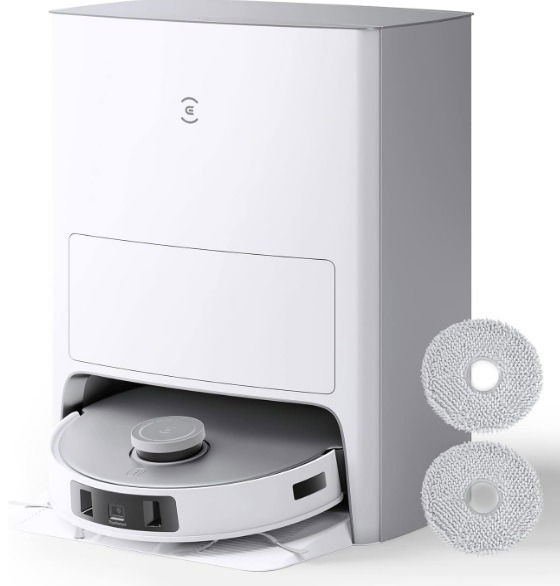
While many other robots offer mopping, the T20 Omni also auto-lifts the mop pads to avoid getting carpets wet and cleans the mop with hot water when it’s finished. And, though you can connect it to Amazon Alexa and Google Assistant, ECOVACS’s YIKO voice assistant is included. Just be aware that the base is rather large.
4. Best Pet Hair Vacuum: Kewbily DL30 Pro
Never heard of Kewbily? It might just become your new favorite brand if you’re a pet owner. The Kewbily DL30 Pro has an impressive 9,000Pa suction to tackle deep down pet hair in carpets and it mops as well. While the Roborock S8 MaxV Ultra might be more powerful, the Kewbily is just a fraction of the cost and doesn’t have a bulky docking station, making it perfect for smaller homes.
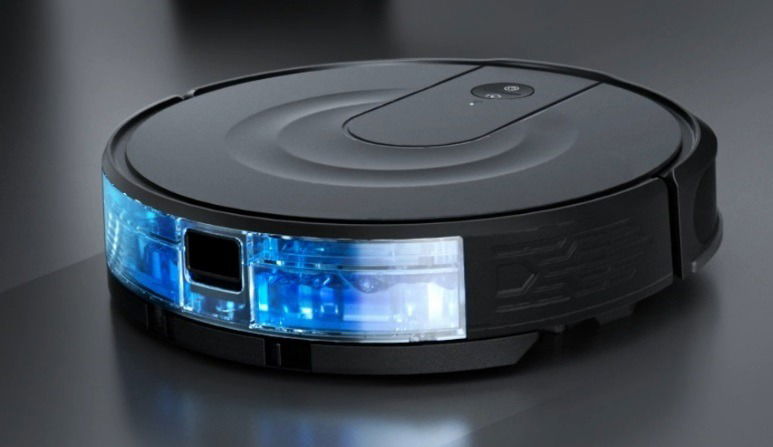
It features the same LiDAR navigation as much more expensive robot vacuums and can even run for over three hours on a charge. And, if you need to clean under furniture, the slim design lets it slip into areas many other robot vacs can’t quite reach.
5. Best Auto Empty: Shark AI Ultra
Auto-emptying robot vacuums aren’t new, but most of them have the same major flaw: they use disposable bags. This gets expensive quickly. The Shark AI Ultra fixed this problem with a bagless auto-empty tank. Just empty the tank in your trash can when full, and you’re done.
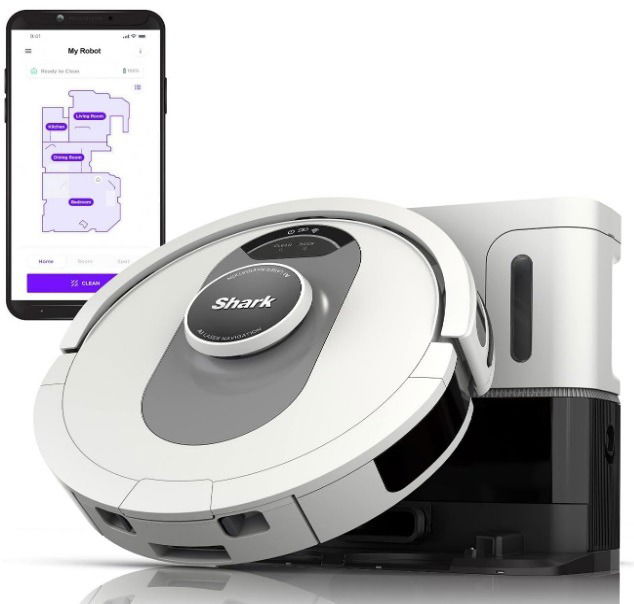
While it can hold up to 60 days between emptying, you’ll likely get less, but that’s the case with pretty much every auto-emptying robot vac. This can also work well for pet homes, thanks to 360-degree LiDAR vision to avoid obstacles and the self-cleaning brush roll. While it doesn’t mop, it vacuums extremely well.
Frequently Asked Questions
Are robot vacuums truly hands-free?
Even the best robot vacuums require some hands-on maintenance. You’ll need to occasionally clean the brush roll, empty the dirt, change the water (for mops), and replace brushes and mop pads. However, maintenance is minimal for most.
How long does a robot vacuum last?
This depends on usage and the battery type. Nickel batteries are cheaper, but only last around 400 charge cycles, which averages around two years. Lithium-ion batteries can last up to 2,000 charge cycles, or around five years.
However, read your user manual for details on how often to change filters and brushes to maximize your vacuum’s lifespan.
Are robot vacuums compatible with smart home systems?
This depends on the vacuum. Most of the best robot vacuums offer at least some smart home integration. Typically, they work well with Amazon Alexa and Google Home devices. As Matter and the Thread protocol become more prevalent, it’ll be easier to incorporate your vacuum into your smart home routines.
Is it safe to let my robot vacuum run while I’m not home?
Usually, yes. However, you should first use the vacuum several times while you’re at home to ensure it’s not snagging on rugs or gets frequently stuck in certain areas. Once you’ve seen it perform its tasks without any issues several times, it’s safe to let it run while you’re at work, school, etc.
Why can’t I connect my vacuum to Wi-Fi?
Most robot vacuums require a 2.4GHz network and won’t connect to a 5GHz frequency. Ensure your router supports both, and switch to the 2.4GHz frequency if possible. If you need a new router, check out our Wi-Fi 6 router buying guide.
Image credit: Unsplash