It used to be that smaller cellular phones were more popular than larger ones. This all changed when cell phones started to have Internet connectivity. As a result, cell phones became physically larger and gained full, tactile QWERTY keyboards. Whether you’re using it for productivity, playing a game or kicking back and watching a movie, we’ve rounded up the best small smartphones in 2025.
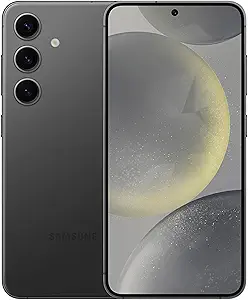
Samsung Galaxy S24
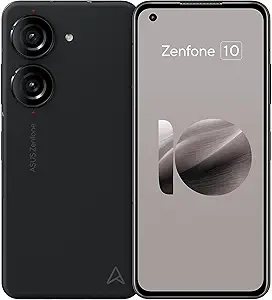
Asus ZenPhone 10
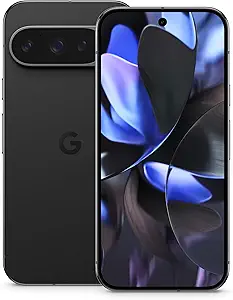
Google Pixel 9 Pro
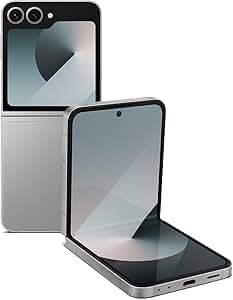
Samsung Galaxy Z Flip 6
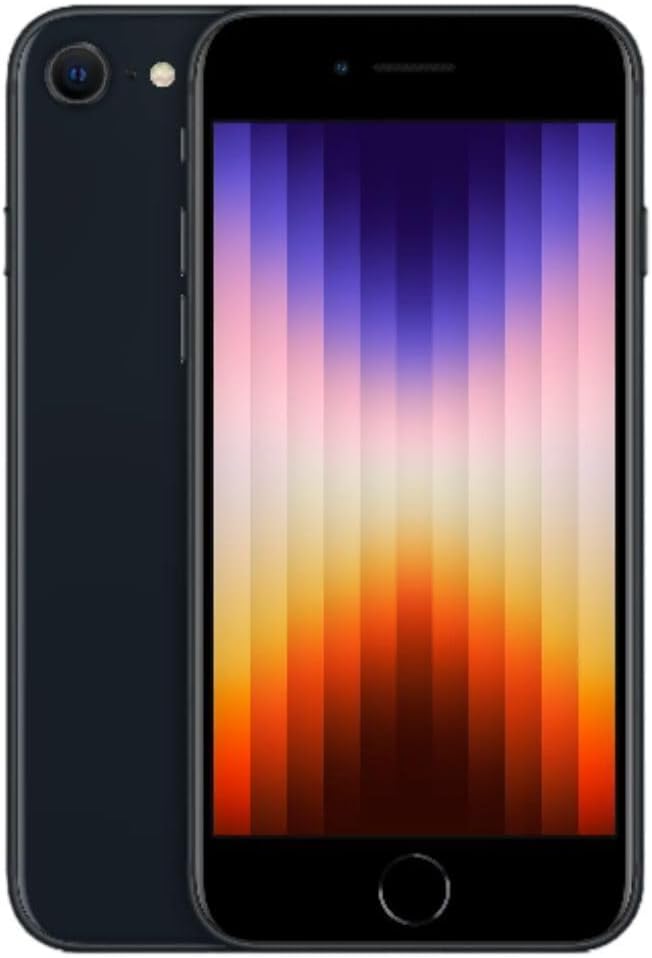
iPhone SE (Gen 3)
Our Criteria
Smaller smartphones offer a number of advantages. For one, smaller phones fit in your pocket or handbag more easily. Ever try to use your larger phone with one hand? It’s not so easy. If you’re someone with smaller hands, the larger phones become unwieldy monoliths. In compiling our list of the best small smartphones on the market, we focused on the width of the device to ensure that the phone could be used with one hand.
Smartphone Width
Generally speaking, the maximum width of a smartphone that can be comfortably used in one hand is 2.76 to 2.83 inches (70 to 72mm). Anything wider than this can make it difficult for users to reach across the screen, especially those with smaller hands.
Reputable Brands
There are a ton of smartphone manufacturers in the world, and many try to carve out a market share by offering devices that differentiate themselves from phones made by more established companies, like Apple and Samsung. That said, we have stuck with more reputable brands to ensure timely OS updates and security patches. Since we use our smartphones for many things that involve personal and sensitive information, it is important that the devices on this list are supported by the manufacturers.
Modern Features
Our smartphones are tools that enable us to accomplish a wide variety of tasks in our everyday lives. Therefore, it is essential that a small smartphone is still capable of doing everything we expect larger phones to do, such as running either Android or iOS and common apps, as well as taking photos and playing music and videos.
Features
The desirable features of a smartphone are largely subjective. This is largely dependent on how you use your phone. Yet, there are some features you’ll want to consider when choosing your next small smartphone:
- Battery life
- Screen quality
- Build quality
- Software update eligibility
- Price
Best Overall: SAMSUNG Galaxy S24
Price: $649.99
The SAMSUNG Galaxy S24 boasts an impressive 6.2-inch LPTO AMOLED display in a package that is still comfortable to use with one hand. It’s impressive that SAMSUNG was able to cram this much phone into a body that measures 5.78 inches (147mm) tall and 2.79 inches (71mm) wide.
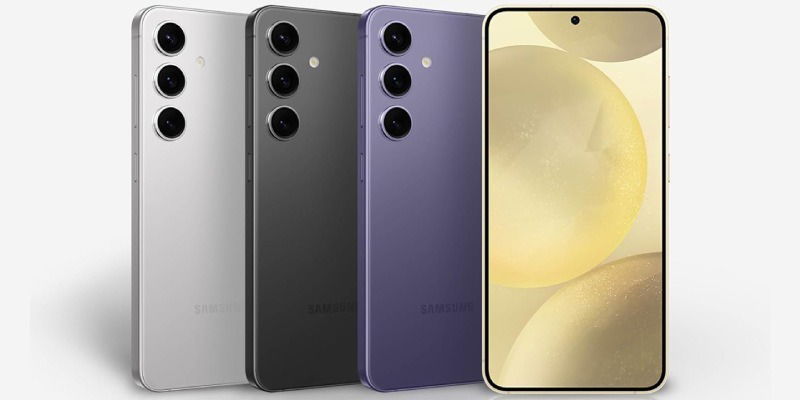
The Galaxy S24 finds SAMSUNG leaning heavily into AI assisted tools. With the Galaxy AI integrated into virtually everything, it encompasses nearly every aspect of the consumer experience. Some of the coolest features are that you can search for information just by drawing a circle around things with your finger and even translate text and speech in real time.
Best Power: Asus ZenPhone 10
Price: $699
Opting for a small phone usually means compromise. Smaller devices typically have slower processors, poorer screens and crummy camera setups. Thankfully, there are manufacturers that are cramming flagship specs into compact devices. The ZenPhone 10 from Asus is such a device. Boasting a Snapdragon 8 Gen 2 processor, up to 16 GB of RAM and a Super AMOLED display, the ZenPhone 10 doesn’t cut corners.
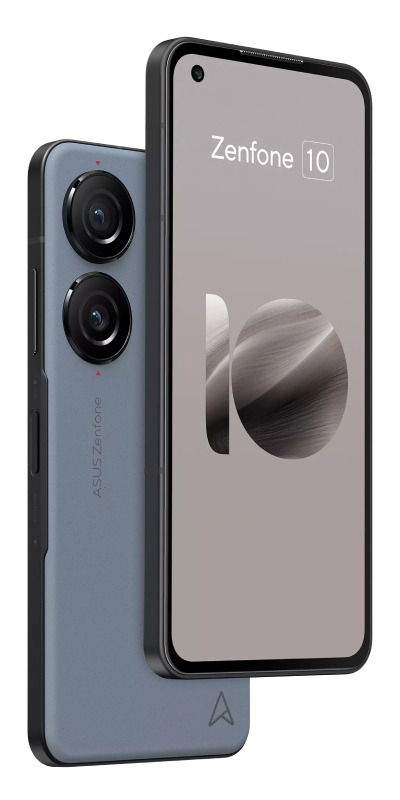
The Asus ZenPhone 10 was explicitly designed to be used comfortably in one hand. Measuring 5.76 inches (146.5mm) tall, 2.68 inches (68.1mm) wide, and 0.37 inches (9.4 mm) thick, the ZenPhone 10 is one of the most compact modern smartphones on the market.
Best Camera in a Small Smartphone: Google Pixel 9 Pro
Price: $849
The Google Pixel 9 Pro pushes the boundaries of what a “small” phone is, but if you are after unparalleled camera quality, the Pixel 9 Pro has it. While it’s not tiny, it’s still a fairly small phone when compaed to others on the market, measuring 6.01 inches (152.8mm) tall and 2.83 inches (72mm) wide. Granted, this is the widest phone on our list.
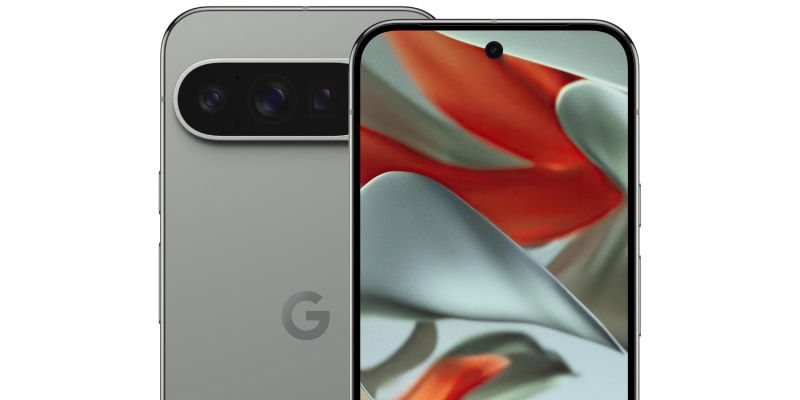
In addition to the stock Android experience and guaranteed security updates, one of the most compelling reasons to opt for a Pixel is the excellent camera. The Pixel 9 Pro’s cameras excel in virtually every scenario, particularly in low light. The lauded Night Sight setup allows more light to hit the sensor, resulting in crisp, detailed nighttime shots. In addition, the Pixel 9 Pro boasts Google’s Tensor G4 processor for excellent performance.
Best Foldable: SAMSUNG Galaxy Z Flip 6
Price: $949.99
Foldable phones aren’t for everyone, but they offer almost unrivaled pocketability – at least when they’re folded. What is ingenious about foldables is that they still retain much of their functionality when closed, due to the secondary outer display. The Samsung Galaxy Z Flip 6 has a massive 3.4 inch outer display that can be used to sort through notifications, queue up full-screen widgets like a music app, and frame selfies better. Furthermore, the functionality of the outer screen is customizable, making it entirely possible to use the Z Fold 6 while folded.
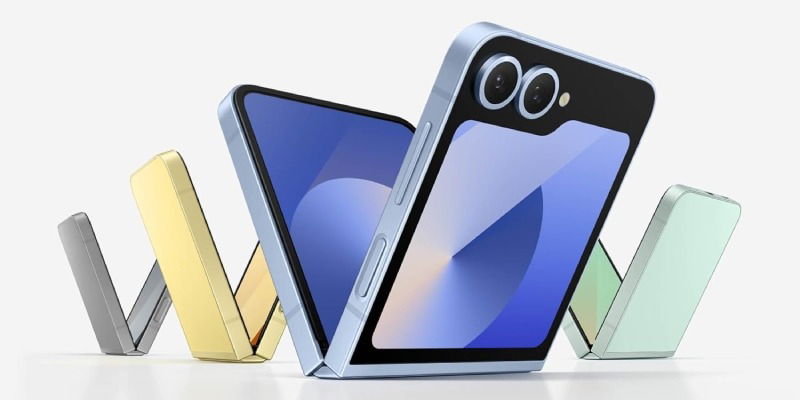
The SAMSUNG Galaxy Z Flip 6 measures 6.5 inches (165mm) tall and 2.8 inches (72mm) wide when unfolded. Folded, the Z Flip 6 is 3.35 inches (85mm) tall, 2.83 inches (72mm) wide, and only 0.6 inches (15mm) thick. The Z Flip 6 is small enough to slip into a pocket, while still boasting a 6.7-inch AMOLED screen when unfolded.
Best Value: iPhone SE (Gen 3)
Price: $225
You wouldn’t expect the words “budget” and “iPhone” to be found in the same sentence, but here we are. The iPhone SE measures 5.45 inches (138mm) tall and 2.65 inches (67mm) wide, to fit comfortably in one hand. While the latest iteration of the iPhone SE is a few years old, it still performs well. Thanks to the powerful and still very capable A15 Bionic SoC (system on a chip), the same one found in the iPhone 13.
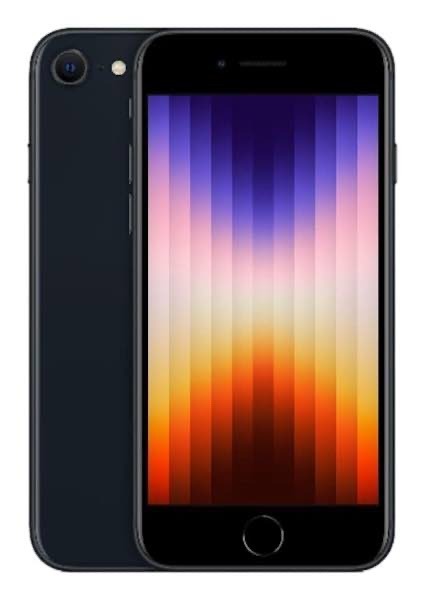
However, the iPhone SE only comes with 4GB of RAM, which can compromise performance. If you’re not a power user, the iPhone SE is more than capable. And if you don’t like the idea of buying a phone that is a few years old, rumors suggest that a 4th generation of the iPhone SE is on the horizon, so you may want to wait for that.
Frequently Asked Questions
Why is 2.83 inches (72mm) the optimal smartphone width?
2.83 inches (72mm) in width is generally considered the sweet spot for single-handed use. This device width allows the average person to reach across the screen with their thumb while maintaining a firm grip on the phone. Any larger, and it becomes challenging to balance, particularly for tasks like typing and navigating menus.
Are smaller smartphones just as safe?
They are, as long as you keep the operating system up to date and install all security dates – just a full-size smartphone. These updates play a crucial role in maintaining the security and performance of a smartphone. Security updates include patches for vulnerabilities that hackers and bad actors could exploit. OS updates often deliver tweaks that improve performance, including speed, battery life and new features. It’s just as important for smaller phones as it is for regular-sized phones.
Why have smartphone manufacturers strayed away from making smaller devices?
Production of smaller devices has significantly lessened, due to a combination of market trends and technological advancements. More people use their phones to watch videos, play games, and browse social media. A larger screen provides a better experience. Furthermore, phones are used for productivity. Many tasks, such as reading documents, composing emails and editing photos, are easier on a bigger screen. In addition, modern smartphones include many features, like multiple camera lenses, larger batteries, and advanced sensors. These require more space, necessitating larger devices.
Image credit: Unsplash