You probably know how antivirus works to keep you safe, but do you know what firewalls do and the role they play in keeping your devices safer? This technology works quietly in the background, but it’s a good idea to realize just how important firewalls are.
What is a Firewall
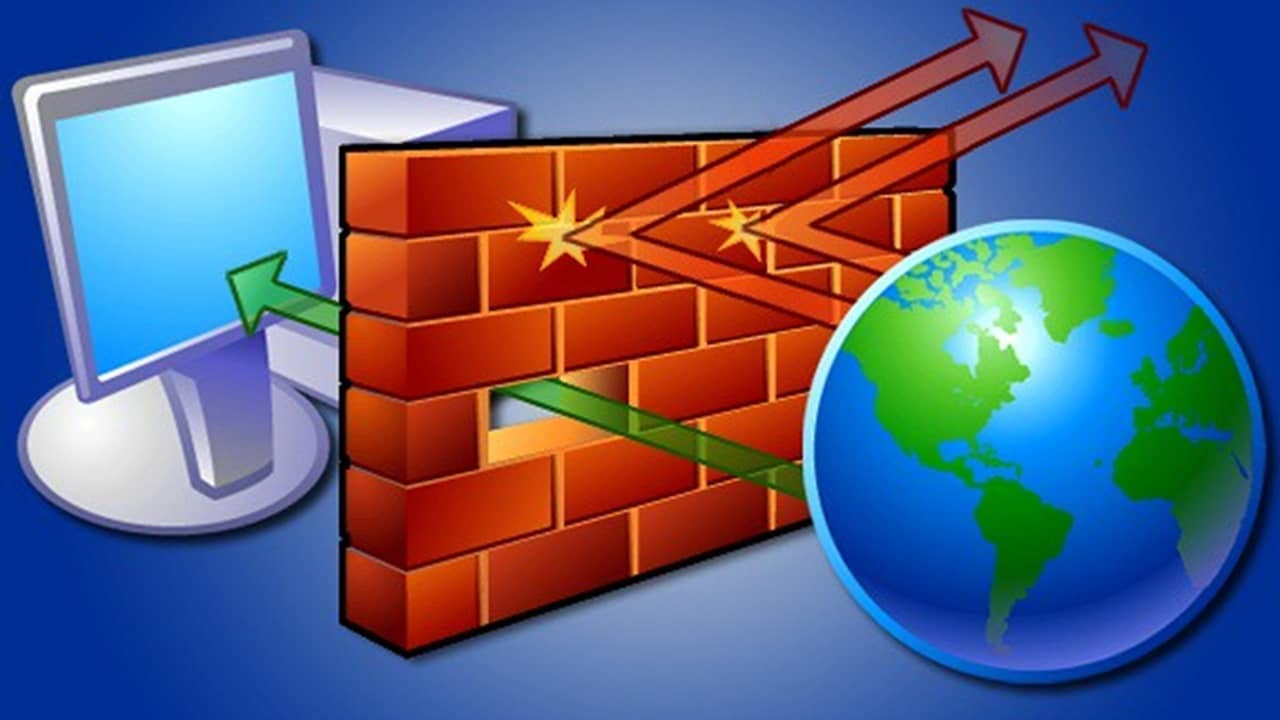
The most basic definition of a firewall is a type of device or software that monitors network traffic in/out to protect the internal network from the external network. Every firewall has preset security rules in place to determine what type of traffic is allowed in and out.
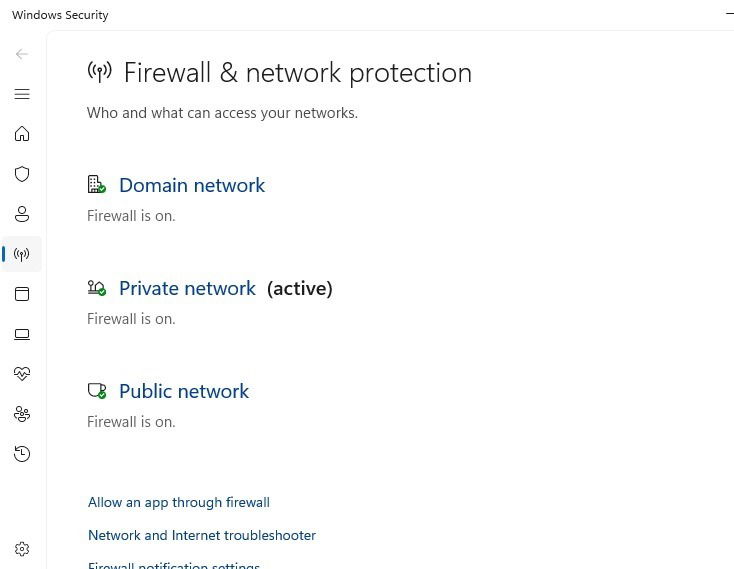
While most computers have a built-in firewall, such as the Windows Security firewall, these are only designed to protect the one single device. Even mobile devices have their own firewalls. Of course, if a hacker tried to infiltrate your network via that device, the firewall could prevent access, protecting your entire network.
To get the most firewall benefits, especially for smart homes, you’ll want a network firewall. This protects you at the network level, meaning all devices are tucked behind the firewall. These can be software, cloud-based, SaaS (software-as-a-service), or even an actual hardware-based firewall that connects directly to your router.
Firewalls carefully inspect every packet of data and compares it to any rules put into place. If the packet passes inspection, it gets to travel through your network. If it doesn’t pass, it’s blocked. Often, you may never even notice when something’s blocked. You’re just safer. As a side note, firewalls are different than VPNS, though I highly suggest using both, especially when using public Wi-Fi.
It’s hard to say what firewalls do by just saying they keep your network and devices safer. There are a variety of firewall benefits that make them a must-have part of your network and device security.
Protect Yourself Against Hacking
When someone tries to hack into your network, a firewall notices something suspicious based on the security rules. Without a firewall, a hacker could jump right in without any barrier to keep them out. Even someone with the safest browsing habits ever could still be at risk. A simple malicious ad on your favorite site is enough to let hackers in.
Odds are, you have no idea how many attempts occur every single day as you browse. I honestly don’t even want to know. I just feel safer knowing on of my main firewall benefits is stopping unauthorized access behind the scenes.
Limit Viruses
Just like with hacking, firewalls are designed to limit viruses. Naturally, no firewall can keep you 100 percent safe from viruses or hacking, but it will drastically reduce your risk. Firewalls control who and even what accesses your network, which in turn, keeps viruses out. The security rules are designed to recognize known virus signatures to block them as unwanted traffic.
Your antivirus works alongside your firewall to further protect you. For instance, if you choose to download a file from a trusted site, but it’s infected, the firewall might not catch it. Scan it with your antivirus before opening it and it’s blocked.
Control Access to Your Network
Speaking of controlling access, what firewalls do best is control network access. For whole network firewalls, every device is protected. Firewalls continuously monitor your traffic and only let in what fits with its rules. The good part is you’re able to analyze that traffic as well and add more rules if needed.
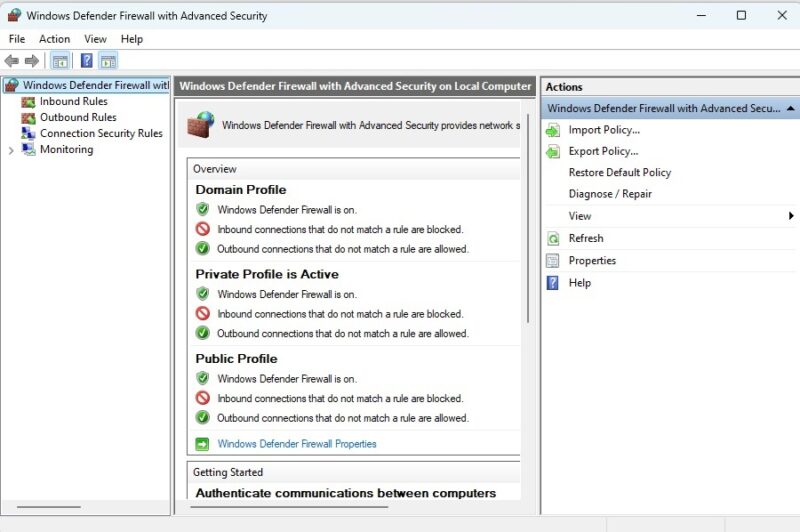
For example, businesses may block unknown devices from accessing the network. Remote workers would need to have their devices manually approved and added to the firewall’s whitelist.
Gain Better Privacy
One of the lesser talked about firewall benefits is privacy. No, it won’t prevent you from oversharing on Facebook, but by keeping out unauthorized traffic, firewalls keep the data on your network safer from prying eyes. As a result, your network’s more private, which is vital if you’re storing any sensitive data.
Keep Data and Devices More Secure
A common rule in IT security is your network’s as a secure as your weakest point. If your computer and smartphone both have firewalls, but your smart doorbell doesn’t, that represents a vulnerability in your network. Hackers may get blocked when trying to reach your computer, but they then enter through your doorbell. Once in, they’re able to access other devices, including any personal and/or professional devices.
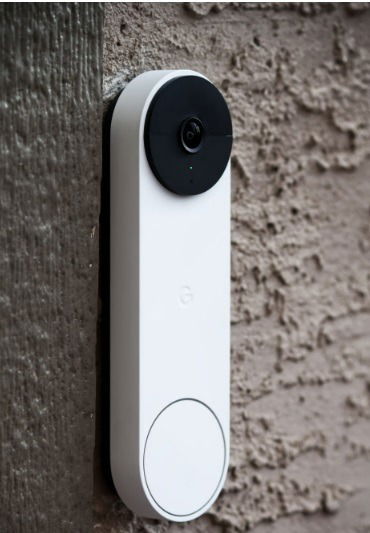
Use a network firewall to protect all the data across all your devices. By securing all devices, it becomes far more difficult for hackers to find and exploit weak areas.
Having a firewall won’t protect you from everything. I wish it would. But, it’s yet another line of defense against the growing number of cyberattacks. Remember, a firewall doesn’t replace antivirus, though some antivirus suites come with a firewall. You need both. Just make sure your antivirus includes these important features.
Image credit: Flickr