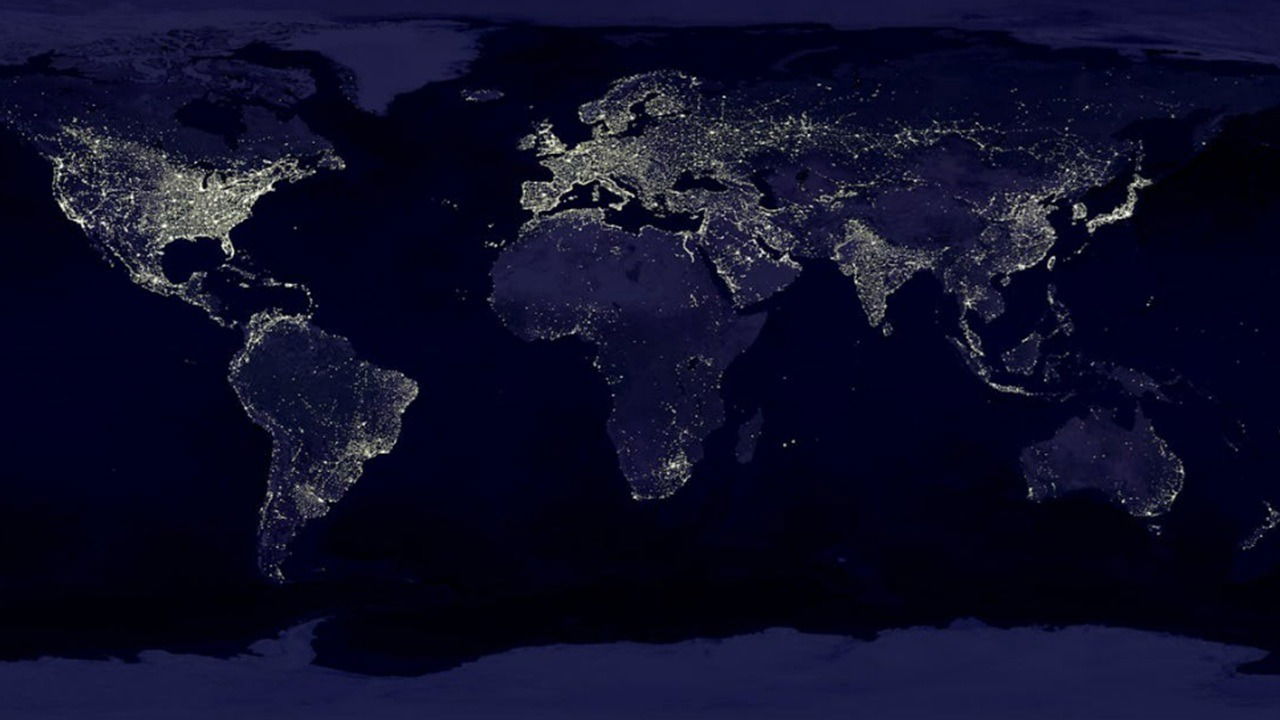
One of the keys to global economic and technological growth is improved connectivity. Meta aims to deliver just that with Project Waterworth, an ambitious project connecting multiple continents together.
What Is Project Waterworth?
As the name implies, Project Waterworth involves the sea. The subsea project is planned to cover at least 50,000km (~31,000 miles) as it connects five continents. Once it’s complete, it’ll be the longest subsea project to date.
Over the last decade, Meta has already implemented over 20 subsea cables to boost connectivity. By using 24 fiber-pair cables, the cables should be more reliable and longer lasting.
Meta has also planned the project carefully. The cable will be laid at depths of up to 7,000 meters and even buried in higher-risk areas, such as in shallow waters, among other hazards. After all, Meta doesn’t want to invest billions in a subsea cable project only to have it be immediately damaged when ships come through.
Currently, Meta is focused on connecting the US, South Africa, Brazil, and India, and other regions, better. The company cited India as a prime example of how investments in digital infrastructure are boosting the digital economy. Project Waterworth should help accelerate this progress.
Intercontinental Traffic Relies on Subsea Cables
Most of us probably don’t think about the need for Internet access outside of our homes and businesses. But we rely on it while traveling too, including while flying and traveling by boat.
Since you can’t really build towers or run traditional cable lines in the middle of oceans, subsea cables pick up the slack and account for around 95 percent of all intercontinental traffic. Whether it’s online transactions, video calls, or just staying in communication with businesses on land, we need connectivity nearly everywhere.
Part of the reason Meta is investing so heavily in Project Waterworth is AI. The project should open access to three new oceanic corridors, which could boost AI innovation.

By making it easier for more regions to stay connected, Meta hopes to provide better access to AI and other emerging technologies. The company wants to ensure people have improved access no matter where they’re located, which boosts the usage of new technologies, along with pushing advancements in those technologies, including AI.
While it might sound like Meta is an innovator in terms of subsea cables, they’re far from the only company investing in improving global connectivity. Project Waterworth is Meta’s first subsea cable project – at least as a single owner. Meta is currently a partial owner in 16 other projects. Microsoft, Google, and Amazon are the other major players working for global connectivity via cables deep in the ocean.
If you’re trying to stay connected while traveling, keep these dos and don’ts in mind to stay safer.
Image credit: Pexels